PCB Copper Pour Design: How to Ensure PCB Performance and Stability
Copper pour is a common technique in PCB design used to improve electrical performance, thermal management, and manufacturing reliability.
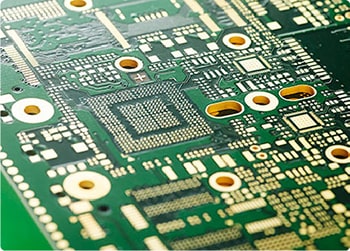
What Is Copper Pour in PCB DesignCopper pour refers to filling unused PCB areas with copper connected to specific nets such as GND or power planes. It is widely used in multilayer and high-density PCBs to improve electrical and thermal characteristics.
Typical benefits of copper pouring include:Reducing ground impedance
Improving EMI shielding
Enhancing heat dissipation
Increasing PCB mechanical stability
Improving manufacturing yield
However, these benefits depend on proper design rules and layout practices.
1. Proper Ground Plane Design
One of the most important uses of copper pour is creating a continuous ground reference.
A well-designed ground plane helps:
Reduce electromagnetic interference (EMI)
Provide stable signal return paths
Improve signal integrity in high-speed circuits
Design recommendations include:
Avoid fragmented ground islands
Maintain continuous ground areas whenever possible
Use multiple vias to connect ground pours between layers
In high-speed or RF designs, a solid ground reference plane is essential for maintaining signal quality.
2. Thermal Management Optimization
Copper areas play an important role in heat dissipation, especially in power electronics or high-current circuits.
Large copper pours help distribute heat away from critical components such as:
Voltage regulators
Power MOSFETs
High-power ICs
Thermal vias can also be used to transfer heat to internal or bottom copper layers. Proper copper distribution prevents localized overheating and improves long-term reliability.
3. Controlled Copper BalanceUneven copper distribution can lead to PCB warpage during fabrication or reflow soldering.
To maintain board flatness, designers should ensure:
Balanced copper distribution across layers
Similar copper density on opposite sides of the PCB
Avoiding large empty areas on one side of the board
Balanced copper helps reduce mechanical stress and improves manufacturing consistency.
4. Clearance and Isolation RulesCopper pours must maintain appropriate clearance from signal traces and pads.
Designers should follow proper design rule checks (DRC) to avoid problems such as:
Short circuits
Solder bridging
Manufacturing defects
For high-voltage circuits, larger clearance spacing is required to meet safety and insulation standards.
5. Via Stitching for Ground StabilityVia stitching is often used to connect copper pours between layers.
Benefits include:
Improved grounding performance
Reduced EMI radiation
Enhanced shielding effectiveness
Via stitching is particularly important for RF circuits, high-speed digital designs, and multilayer PCBs.
6. Avoiding Floating CopperFloating copper islands that are not connected to any net should be avoided.
These isolated copper areas may:
Act as antennas that introduce noise
Cause uneven copper distribution
Complicate PCB manufacturing
Most professional PCB designers remove or properly connect floating copper during layout optimization.
Manufacturing Considerations for Copper Pour
From a PCB manufacturing perspective, copper pour design also affects fabrication quality.
Professional PCB manufacturers evaluate factors such as:
Copper thickness distribution
Etching uniformity
Solder mask coverage
Thermal stress during assemblyA design for manufacturing (DFM) review helps identify potential issues before production and ensures consistent PCB quality.
Conclusion
Copper pour design is more than just filling unused PCB space. When properly implemented, it improves electrical performance, thermal efficiency, and mechanical stability.
Key factors include:Solid ground plane design
Balanced copper distribution
Proper clearance rules
Effective via stitching
Avoiding floating copper
Working with an experienced PCB manufacturer ensures that copper pour designs are optimized not only for electrical performance but also for manufacturability and long-term reliability.

 poe@pcbamake.com