poe@pcbamake.com


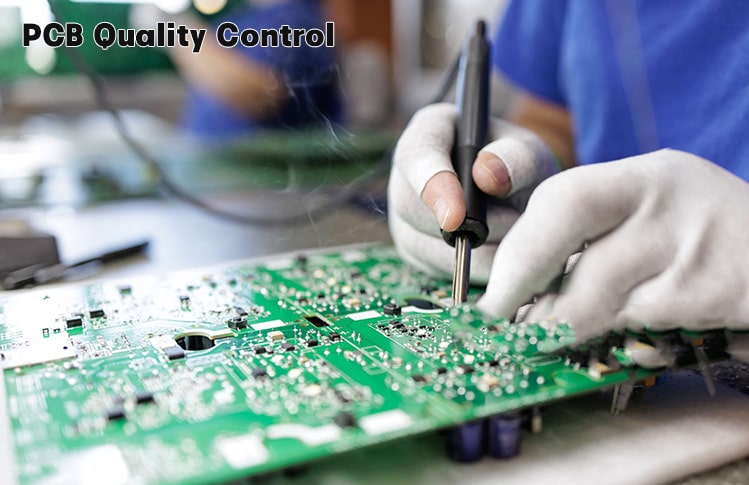
PCB Quality Control
Main Objectives of PCB Quality Control Inspection
1. Ensure the Correctness and Reliability of Electrical Connections (Functional Purpose)
This is the most fundamental purpose. The PCB is the carrier for electronic components and the "skeleton" for elec-l trical connections; any defect can lead to the failure of the entire product.
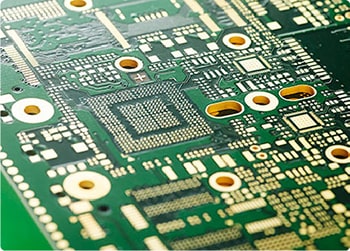
Open Circuit: A break in a trace, preventing current from flowing.
Short Circuit: An unintended connection between traces, which can cause short circuits and burn out components. Insufficient Trace Width/Spacing: Affects current-carrying capacity or causes signal crosstalk.
2. Ensure Process Quality and Structural Integrity (Physical Purpose)
The PCB itself is a precision industrial product, and its physical structure must meet the design
Hole Issues: Incorrect drill position, missing holes, or debris in holes (plugged holes) can prevent component installation or prevent proper hole plating.
Outer Layer Defects: Scratches, dents, copper foil blistering, delamination, etc., affect the board's strength and long-term reliability.
Surface Finish Issues: Uneven gold/tin plating, oxidation, etc., can affect subsequent soldering quality.
3. Control Costs and Improve Production Efficiency (Economic Purpose)
Identifying and rejecting defective boards early in the manufacturing process avoids significant subsequent losses.
Avoid Value-Added Loss: A bare board itself has low value, but after mounting expensive chips, capacitors, and resistors, its value increases multiples. If a problem is found only after assembly, the loss includes not just the PCB, but all mounted components and assembly costs
Improve First Pass Yield: Ensuring only good boards proceed to assembly reduces production line downtime and rework time, ensuring smooth production.
Reduce After-Sales Costs: High-quality finished products significantly reduce the risk of later market returns, repairs, and warranty claims, protecting brand reputation
4. Verify Design and Manufacturing Capability (Data Purpose)
The vast amount of data accumulated through inspection can feedback into and improve design and manufacturing processes.
Identify Process Bottlenecks: If a specific defect (e.g., a short at a certain location) recurs frequently, it indicates a need for optimization in the production process (e.g., exposure, etching).
Verify Design Rules: Checking if the manufactured board fully conforms to the design files and verifying if the design rules (e.g., minimum trace width/spacing) match the factory's manufacturing capabilities.
If you have PCB/PCBA/OEM/ODM needs, please contact us, We will reply within 2 hours, and complete the quotation within 4 hours or less upon request.
Delivery Services

Verified by

Link Us on