poe@pcbamake.com


With the rapid development of automotive electronic products, SMT processing technology has become increasingly important in the automotive industry. As an efficient assembly method, SMT processing not only improves the performance and reliability of electronic equipment, but also saves valuable space. However, compared with other industries, SMT processing of automotive electronic products faces unique challenges and requirements.
Quality Control of Automotive Electronic Processing
First, automotive electronic products are different from other electronic devices in terms of working environment and use conditions. High temperature, low temperature, humidity, vibration and other factors inside the car may have a negative impact on the performance of electronic components. Therefore, in the SMT process, the selection and processing of materials are particularly important. For example, high temperature resistant materials commonly used in automotive electronic products can ensure the reliability of electronic components under extreme temperature conditions. In addition, for cars that may collide at any time, electronic equipment should also have the ability to resist impact, so special attention should be paid to the firmness and fixing methods of components during processing.
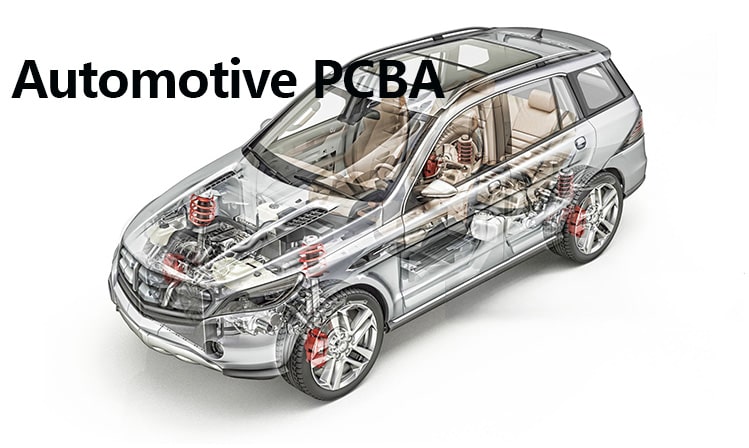
Secondly, automotive electronic products have higher requirements in terms of electromagnetic compatibility. Since there are a large number of electronic devices in the car at the same time, such as engine control units, navigation systems, audio, etc., these devices will emit electromagnetic radiation signals. In SMT patch processing, materials and components with good shielding properties should be selected to avoid the impact of electromagnetic interference on the vehicle electronic system.
In addition, the reliability and safety of automotive electronic products are uncompromising. Cars are in different use environments and road conditions, so the quality control requirements for SMT patch processing are higher. Soldering defects, bubbles and poor contact should be minimized during the assembly process. At the same time, strict testing and inspection should be carried out to ensure that the functions and performance of electronic components meet the specified standards. This is not only crucial to the safety of the vehicle, but also directly affects the reputation of the car manufacturer.
In summary, compared with general electronic products, automotive electronic products have special requirements in SMT patch processing. Special attention should be paid to material selection, electromagnetic compatibility and quality control. Only through continuous innovation and technological improvement can the use needs of automotive electronic products under various extreme conditions be met. The SMT patch processing technology of automotive pcba electronic products will continue to develop, bringing more opportunities and challenges to the development of the automotive industry.
If you have PCB/PCBA/OEM/ODM needs, please contact us, We will reply within 2 hours, and complete the quotation within 4 hours or less upon request.
Delivery Services

Verified by

Link Us on