poe@pcbamake.com


Controlled Impedance PCB Design: DFM Considerations for Stable Manufacturing
Controlled impedance PCB design is widely used in high-speed and high-frequency applications. However, many engineers discover during production that calculated impedance values do not always translate into stable manufacturing results.
Why Controlled Impedance PCBs Fail in Production
Even with accurate simulations, impedance deviation can occur due to:
DFM bridges the gap between theoretical design and real-world manufacturing.
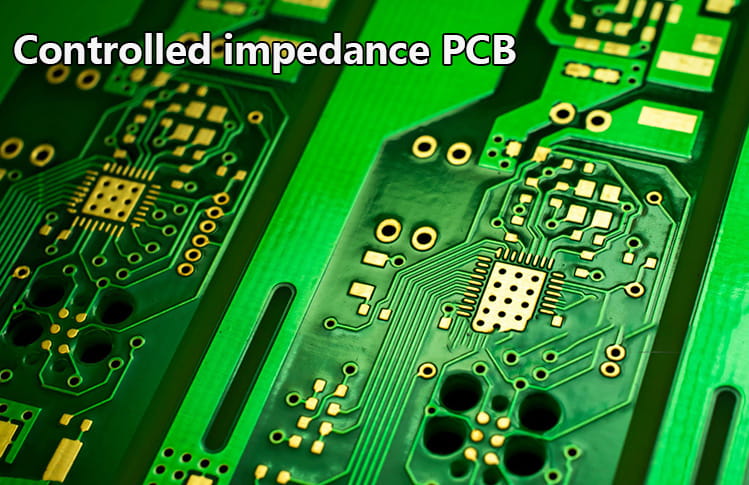
Key DFM Factors in Controlled Impedance PCB Design
1. Stack-Up Selection Matters More Than Trace WidthThis significantly improves yield and impedance consistency.
2. Manufacturing Tolerance Must Be Considered
No PCB process is perfectly uniform.
DFM ensures:
Ensuring continuous reference planes improves both electrical performance and manufacturability.
4. Material Selection and Availability
Exotic materials may meet electrical requirements but introduce:
Controlled Impedance and DFM for High-End Applications
For industrial, automotive, and communication products, impedance stability directly affects product reliability.
A DFM-based approach ensures that every batch performs consistently, not just the first prototype.
👉 Related reading: HDI PCB DFM Guidelines for High-Density Manufacturing
If you have PCB/PCBA/OEM/ODM needs, please contact us, We will reply within 2 hours, and complete the quotation within 4 hours or less upon request.
Delivery Services

Verified by

Link Us on