Orders@pcbamake.com

Yes — conformal coating can significantly reduce moisture-related corrosion on PCBA, but it does not make a circuit board completely immune to humidity, condensation, or chemical contamination.
For electronics operating in high-humidity, outdoor, marine, industrial, or temperature-variable environments, conformal coating provides an additional protective barrier over the PCB surface and assembled components. However, its effectiveness depends heavily on the coating material, coverage quality, PCB design, and actual environmental conditions.
How Does Conformal Coating Protect a PCBA?
Moisture can cause several problems on an assembled PCB, including:
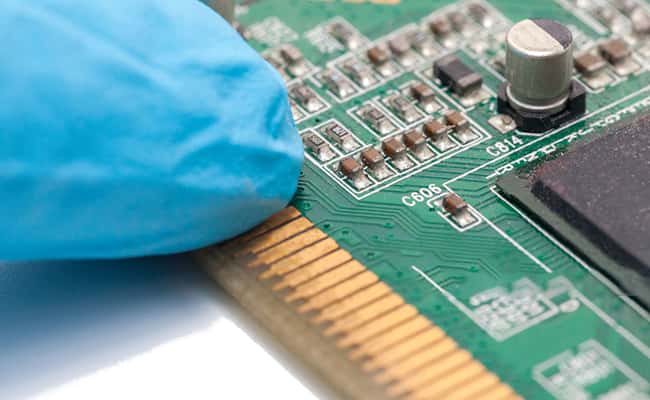
A properly applied conformal coating isolates much of the PCB surface from moisture, dust, salt, and other contaminants. This helps reduce the amount of moisture that reaches exposed conductors and sensitive components.
The protection is particularly valuable when a PCBA is exposed to high humidity, condensation, temperature cycling, or airborne contaminants.
Does It Completely Solve Humidity-Related Corrosion?
Not necessarily.
Conformal coating is a protective layer, not a waterproof enclosure. If moisture enters through connectors, uncoated areas, component interfaces, cracks, or damaged coating, corrosion can still occur.
Coating quality is therefore critical. Thin or uneven coverage, bubbles, pinholes, contamination before coating, and poor edge coverage can create weak points.
PCB design also matters. Tight spacing, exposed metal, high-voltage areas, and components that cannot be coated may require additional protection measures.
When Should PCBA Use Conformal Coating?
Conformal coating is worth considering when the finished electronics will operate in environments such as:
Outdoor equipment · Industrial controls · Automotive electronics · Marine equipment · Power electronics · Agricultural equipment · Humidity-sensitive consumer devices
For these applications, the decision should be based on the actual operating environment rather than simply adding coating as a standard process.
Material selection also matters. Acrylic, silicone, polyurethane, and other coating systems have different properties in terms of moisture resistance, flexibility, chemical resistance, repairability, and temperature performance.
What Should Be Considered During PCBA Manufacturing?
For a reliable conformal-coating process, the PCBA manufacturer should evaluate more than the coating itself.
Key considerations include:
1. Environmental exposure — humidity, condensation, salt spray, chemicals, and temperature cycling.5. Inspection— coating thickness and coverage should be checked according to the required process standard.
The Bottom Line
Conformal coating can greatly improve PCBA resistance to humidity-related corrosion, but it should not be treated as a complete solution for every moisture problem.
For demanding applications, the better approach is to evaluate PCB design + component selection + surface cleanliness + coating material + coating coverage + environmental requirements as one reliability system.
When requesting a PCBA quote, providing the expected operating environment can help the manufacturer determine whether conformal coating is necessary and what process should be used.
If you have PCB/PCBA/OEM/ODM needs, please contact us, We will reply within 2 hours, and complete the quotation within 4 hours or less upon request.
Delivery Services

Verified by

Link Us on