Orders@pcbamake.com

Why Your PCB Prototype Failed During Assembly
PCB prototypes are essential for verifying a design before mass production. However, many prototypes fail during PCB assembly due to avoidable design and documentation issues. Understanding these common problems can save time, reduce costs, and accelerate product development.
1. Incorrect Footprints
One of the most common reasons for assembly failure is incorrect component footprints. Even a small mismatch between the PCB footprint and the actual component package can prevent proper placement or soldering.
Examples:
Wrong pad dimensions
Incorrect pin spacing
Mismatched package type (QFN, QFP, BGA, etc.)
Always verify footprints against the component datasheet before finalizing your design.
2. Incomplete BOM Information
The Bill of Materials (BOM) guides component sourcing and assembly. Missing or inaccurate information often leads to delays or incorrect part placement.
Your BOM should include:
Manufacturer Part Number (MPN)
Component description
Quantity
Reference designators
Approved alternatives if available
3. Poor PCB Layout Design
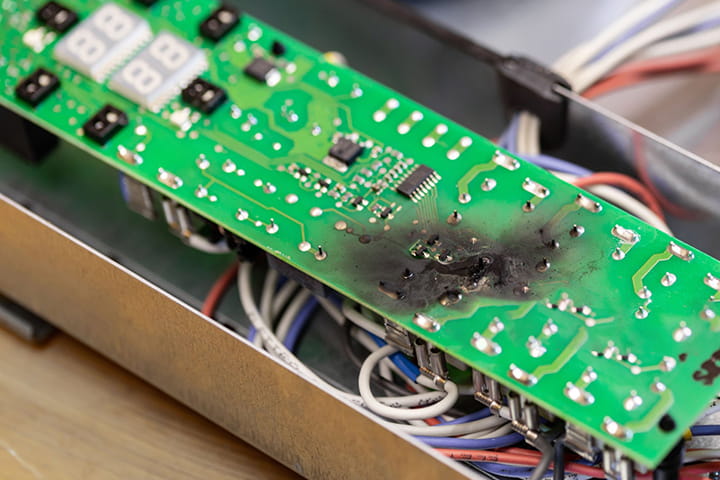
Even if the schematic is correct, layout mistakes can cause assembly issues.
Common examples include:
Components placed too close together
Insufficient spacing for automated assembly
Components positioned near board edges
Inadequate solder mask clearance
Following IPC design guidelines can significantly improve assembly success rates.
4. Missing Assembly Files
PCB manufacturers require more than Gerber files to assemble a board.
Typically required files include:
Gerber files
Drill files
BOM
Pick-and-place (Centroid) file
Assembly drawings
Missing documentation can delay production and increase engineering review time.
5. Design for Manufacturing (DFM) Issues
Many prototype failures are discovered during DFM review.
Examples include:
Annular ring violations
Trace-to-pad clearance issues
Solder bridging risks
Unmanufacturable PCB features
A professional DFM review before production helps identify these problems early.
Most PCB prototype assembly failures are not caused by manufacturing defects but by design, documentation, or component data issues. By verifying footprints, preparing complete manufacturing files, and conducting DFM checks, engineers can greatly improve first-pass assembly success and reduce development costs.
If you have PCB/PCBA/OEM/ODM needs, please contact us, We will reply within 2 hours, and complete the quotation within 4 hours or less upon request.
Delivery Services

Verified by

Link Us on