Orders@pcbamake.com

As AI workloads continue to reshape modern computing infrastructure, data centers are experiencing a significant shift in hardware requirements. AI servers supporting large language models, GPU clusters, high-speed networking, and edge computing systems are demanding more from PCB design than ever before.
Traditional PCB approaches often struggle with the requirements of high-speed data transmission, signal integrity, thermal management, and power delivery. For engineers and OEM buyers, understanding these design considerations early can reduce redesign cycles and shorten time-to-market.
Why AI Servers Require High-Speed PCB Designs
Unlike conventional enterprise servers, AI systems process and move massive volumes of data simultaneously. High-speed interfaces commonly used in AI platforms include:
As data rates increase, PCB design moves beyond simple routing and enters a more complex area where electrical performance becomes a critical factor.
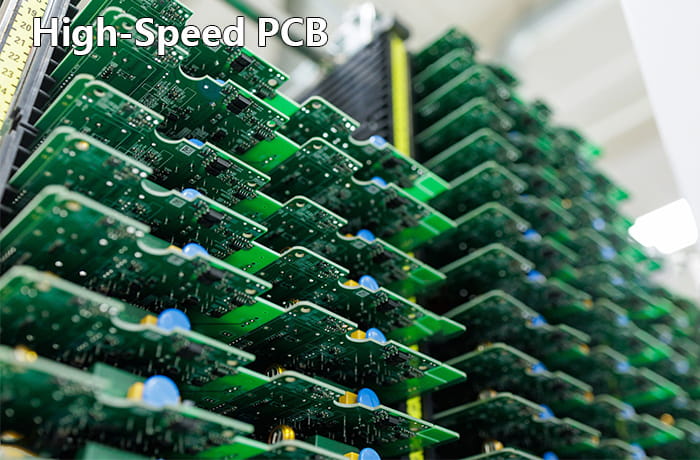
1. Controlled Impedance Design
Impedance consistency is one of the most critical requirements for high-speed signals.2. PCB Material Selection
Standard FR-4 materials may be sufficient for many applications, but higher-frequency designs often require materials with lower dielectric loss.
Common options include:Using SI simulation early can prevent costly prototype iterations.
5. Thermal Management
AI servers generate significant heat due to high processing density.Many designs that look acceptable in CAD may become difficult during production.
Typical manufacturing concerns include:
Tight impedance tolerance requirementsWorking with a manufacturer experienced in high-layer-count and high-speed PCB fabrication can reduce production risks significantly.
Final Thoughts
As AI infrastructure continues expanding, high-speed PCB technology will play a critical role in enabling reliable data transmission and system performance.
Successful projects increasingly depend on collaboration between design teams and manufacturing partners from the early development stage.
If you are developing AI server hardware, discussing stack-up, material selection, and DFM requirements before production can save both time and cost.
Need engineering support for your next project? Contact our team for a free DFM and stack-up review.
If you have PCB/PCBA/OEM/ODM needs, please contact us, We will reply within 2 hours, and complete the quotation within 4 hours or less upon request.
Delivery Services

Verified by

Link Us on