Why PCB Lead Time Matters More Than Ever in 2026
In today's electronics market, speed is no longer just a competitive advantage — it has become a critical requirement. From consumer electronics and industrial equipment to IoT products and medical devices, PCB delivery delays can impact an entire production schedule.
Why customers are paying more attention to PCB lead time
Over the last few years, many buyers have faced challenges such as:
Material shortages
Shipping delays
Unexpected engineering changes
Production bottlenecks
Because of these issues, purchasing teams are asking more detailed questions before placing orders:How fast can prototypes be delivered?
Can urgent orders be supported?
Is the delivery schedule predictable?
Price is still important, but reliability has become equally valuable.
Factors that influence PCB turnaround timePCB lead time depends on several factors:Board complexityHigh-layer-count boards or HDI designs generally require additional manufacturing processes.
Material availabilitySome special materials may have longer sourcing cycles than standard FR4 materials.
Surface finish selectionDifferent surface finishes such as ENIG, HASL, or Immersion Silver can affect production schedules.
Order quantityPrototype orders and mass production projects often follow different manufacturing workflows.
How PCB manufacturers improve delivery performance
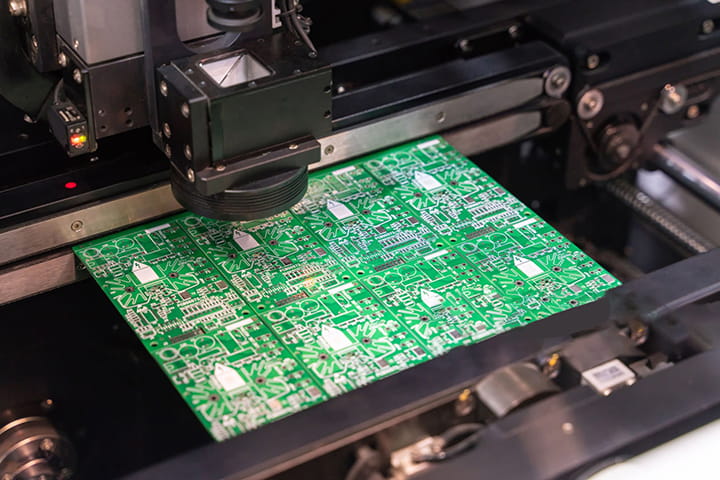
Leading PCB suppliers continuously optimize production efficiency through:Automated manufacturing systems
Real-time production tracking
Better inventory management
Streamlined engineering review processes
At PCBAmake, we have seen many customers prioritize stable delivery rather than simply choosing the lowest quotation. For prototype projects and small-to-medium production runs, reducing engineering delays and improving process coordination can often save valuable time for customers.
Fast delivery is not only about producing boards quickly. Customers also need predictable schedules and reliable communication throughout the manufacturing process.
Choosing a manufacturing partner with consistent production capability can help reduce supply chain risks and keep projects moving forward.

 Orders@pcbamake.com